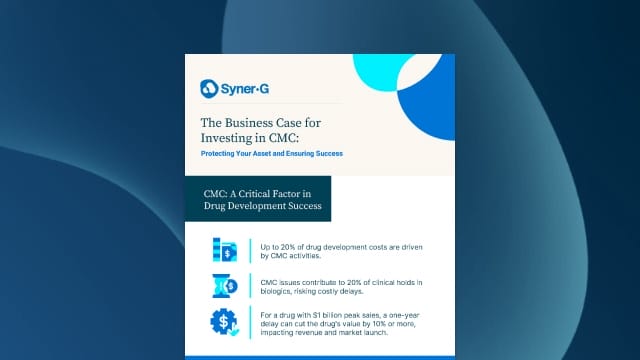
Investing in a proactive CMC approach reduces delays, mitigates risks, and accelerates your path to approval and commercialization.
CMC: A Critical Factor in Drup Development Success
- Up to 20% of drug development costs are driven by CMC activities.
- CMC issues contribute to 20% of clinical holds in biologics, risking costly delays.
- For a drug with $1 billion peak sales, a one-year delay can cut the drug’s value by 10% or more, impacting revenue and market launch.
What Causes Most CRLs?
- 45-50% CMC Deficiencies such as inadequate stability data, manufacturing issues, or control gaps
- ~20% Labeling discrepancies, inaccuracies, or misalignments with clinical data
- ~15% Inspectional findings, including observation notices like Form 483s
- 10-15% Incomplete data submissions, missing modules, or insufficient datasets
- ~5-20% Misalignment with regulatory expectations or guidance
Key Strategies for Reducing Risk
- Data Integrity & Traceability: Maintain high-quality, compliant data throughout development
- Pre-NDA/BLA Meeting Alignment: Ensure regulatory expectations are met upfront
- Labeling & Guidance Compliance: Align labeling with FDA standards early
- Pre-Approval Inspection (PAI) Readiness: Prepare for successful site inspections
- Lifecycle-Centric CMC Package: Implement robust, adaptable CMC controls to support seamless approval and post-approval changes